Introduction
Do you want to make your motorcycle look brand new? Want to customize a special motorcycle wrap for your motorcycle? Don't want your motorcycle's paint to be damaged by scratches and UV rays?
Vinyl motorcycle wrap is a very affordable and fun solution! Compared with paint spray decoration, vinyl wrap can be removed and you can choose a variety of colors and finishes (chrome, matte, metallic, carbon fiber, etc.), which can meet the aesthetic needs of different customers and attract others' attention.
But how to wrap motorcycle vinyl film correctly? What steps are involved in installing motorcycle vinyl? What maintenance measures should be taken after installing motorcycle vinyl?
If you are a motorcycle wrap DIY enthusiast or motorcycle customization shop owner, this article will take you to learn more about all the steps of motorcycle vinyl installation so that you can easily equip your bike with a beautiful "new look"!

Preparation
For vinyl wrapping your motorcycle, you will want everything at hand so the process is easy. If you have the equipment and materials to do this, motorcycle vinyl installation will be faster and simpler. The Motorcycle Vinyl Wrapping Things You Have to Know:
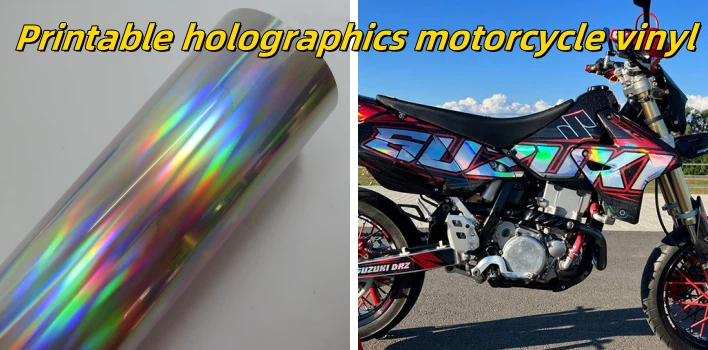
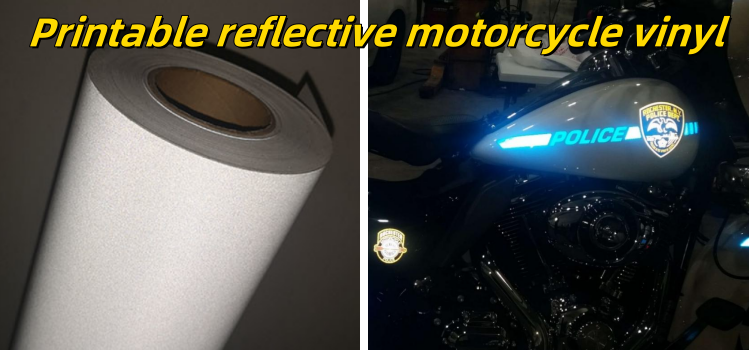
Motorcycle Vinyl Wrap Products: Select good motorcycle vinyl wrap products that are printed and die-cut in your preferred designs. We recommend you choose motorcycle vinyl wrapping materials produced by K2, which include chrome, reflective, holographic and other high-quality wrapping materials.
Heat Gun: Heat and stretch the vinyl using a heat gun to bend it in an angled or fancy form.
Squeegee: Squeeze out bubbles with a soft squeegee while installing vinyl.
Cutter or Sharpener: You need cutter or sharpener to remove loose vinyl or to adjust it after applying it.
Motorcycle Cleaning Equipment: Wash the motorcycle with a clean cloth and cleaning solution to get rid of dust, grease or dirt.
Gloves: wear lint-free gloves so you don't get fingerprints or dust on the sticky part.
Masking Tape: Masking tape a portion or an unwrapped part.
Disassembling parts
If you are using vinyl on your motorcycle, there are some individually removable parts that need additional wrapping to wrap the motorcycle surface so that you can wrap the whole thing seamlessly. By taking these motorcycle parts apart to wrap the vinyl, you can reduce wiring so that the vinyl can stick in place without cutting or missing holes.
Here are the steps and accessories that are usually taken out when installing vinyl:
How to remove motorcycle parts for wrapping?
|
Tools
|
Reason
|
|
Removal tools
|
Organize and prepare the appropriate removal tools such as screwdrivers, wrenches, and pliers so that you don't damage the parts when you take them apart.
|
|
Unplug the battery
|
For safety, remove the battery and unplug all electrical components.
|
|
Mark and place parts
|
Be sure to mark the screws and bolts and mark the parts you removed so that you can put them back together.
|
Removed areas:
- Fairings: After the side and front fairings are removed, wrap the inside and sides with vinyl.
- Tank: Remove the tank for wrapping without worrying about uneven edges or wrinkles.
- Mirrors: Remove the mirrors to facilitate installation around the mounting points.
- Sofas: Chairs need to be removed so you can see the material underneath and ensure a smooth surface.
- Handlebars and Accessories: Remove accessories such as phone holders or small accessories if needed for free wrapping.
- Lights: Unhook the headlight/taillight for neater access around corners and edges.
- Footrests and Pedals: Footrests can be removed to wrap spaces close to the lower frame.
Removing these components will result in a cleaner, more professional finish and will not result in wrinkles or missed edges when the vinyl is applied.
Surface cleaning
Proper surface cleaning is a critical step when installing motorcycle vinyl to ensure a strong bond. Here is a step-by-step guide on how to effectively clean the surface before wrapping:
Step-by-step guide to cleaning motorcycle surfaces
Here's the content formatted as a table:
|
Step
|
Description
|
Wash your motorcycle
|
Use a mild car wash soap and water to remove surface dirt, dust, and grime.
|
|
|
Rinse thoroughly and dry your motorcycle with a lint-free microfiber cloth to avoid water spots.
|
Degrease the surface
|
Apply a degreaser or isopropyl alcohol (IPA) solution (70-90%) to eliminate grease, oil, or wax.
|
|
|
Wipe the surface with a clean microfiber cloth, wiping in sections to ensure complete coverage.
|
Inspect the surface
|
Look for stubborn stains, dust, adhesive residue, or contaminants.
|
|
|
Use a plastic scraper or adhesive remover if necessary.
|
|
|
Ensure all areas are clean, smooth, and free of dirt or blemishes.
|
Clean edges and hard-to-reach areas
|
Use a cotton swab or small brush to thoroughly clean edges, corners, and tight spaces.
|
|
|
These areas are critical to ensure the vinyl adheres properly.
|
Dry the surface
|
Let the surface air dry completely or use a clean microfiber cloth to ensure no moisture remains.
|
Avoid touching the surface
|
Wear lint-free gloves to prevent fingerprints, oil, or dirt from contaminating the cleaned surface.
|
Material cutting
Motorcycle vinyl should be cut to the right size for a better and more snug fit. Since the measurements and cuts are done to the last detail, the wrap will save time and reduce material waste.
So how to make the right vinyl and cut it to the right size:
- First measure the various data on the motorcycle you want to wrap, in addition to the overall data and the removable parts. Use a tape measure to measure each component, such as the tank, fairing, fenders, etc. Add another 3-5 cm margin to each measurement so that there is more room to handle and adjust during installation. You also need to have enough material to cover the curves and edges during installation to avoid any places that need to be adjusted.
- After that, peel off the vinyl wrap and lay it on a flat surface. Use a non-permanent marker or masking tape to mark the size on the vinyl and follow the measurements you made as a guide. Make sure to double-check your measurements before cutting, otherwise you may mess up.
- Later, after carving the vinyl according to the measured data, cut along the lines with a precision knife or utility knife. It takes a steady hand to get nice, clean edges, so this part is best cut by a professional who installs motorcycle vinyl. If there are curves, cut the vinyl into smaller, easier-to-apply pieces.
- Finally, if the motorcycle part you removed is complex or unevenly shaped, make a template out of masking tape or paper. Attach the template to the vinyl, trace around it and cut. This process ensures that the vinyl is the exact same shape as the part you are covering.
If you do this, you will get a properly trimmed vinyl that fits the motorcycle perfectly.
Starting packaging
Begin the motorcycle vinyl wrapping process. Once you have cleaned the surface and cut the vinyl, you can begin wrapping. Installation should be done as follows:
|
Step
|
Description
|
Place the vinyl
|
Overlap the pre-formed vinyl on the motorcycle body. Position it to cover the surface, leaving some overhang to cut away later.
|
Remove the backing paper
|
Remove the backing paper to expose the adhesive side. Do this in steps to maintain control and prevent the vinyl from sticking together.
|
Apply the vinyl
|
Start from the center and work outward. Use a squeegee to press the vinyl down, eliminating air bubbles and ensuring even adhesion.
|
Heat and stretch
|
Use a heat gun to soften the vinyl for curved or intricate surfaces. Stretch gently to avoid warping.
|
Apply the edges and curves
|
Heat and mold the vinyl to fit uneven surfaces, edges, and corners using your hand or a squeegee.
|
Trim the excess vinyl
|
Cut away excess vinyl with a utility knife, taking care not to damage the motorcycle body.
|
Seal the edges
|
Heat the edges to strengthen the bond and prevent peeling over time.
|
Inspect and finish
|
Check for bubbles, wrinkles, or blemishes. Smooth out any imperfections and let the vinyl dry for 24 hours before outdoor use or washing.
|


Assembling parts
Now that the motorcycle is covered with vinyl, it is time to put everything back together that was removed. We must reassemble it correctly so that the motorcycle looks new and functions well.
Follow these steps:
-
Organize the removed parts
Put everything that was removed during the installation on a table. Place all screws, bolts and fasteners where they belong and in the correct position.
-
Start with the larger components
Start reassembly with the larger and most visible components (tank, fairing, fenders, etc.). Position each component accurately before hammering nails to avoid making a mess or scratching them.
Tighten the screws and bolts with the appropriate tools (screwdriver, wrench). Do not overtighten or you will damage the threads or components.
Once the large parts are installed, continue with small parts like mirrors, handlebars and lights. Check that the wires, cables or connections (if any) are back in place.
-
Check connections and alignment
Place the parts in the correct orientation and secure with the screws. Pay attention to where the parts connect as there may be gaps or loose connections.
Start the motorcycle and check that everything is working properly (lights, signals, brakes). Give it a short spin and check for any loose parts or strange noises.
Reinstall everything, making sure to double-check the alignment and connectors, and your motorcycle will be ready to hit the road in top condition!


Precautions for packaging motorcycles
If you wrap your motorcycle with vinyl, pay attention to the following small details:
-
Work in a clean environment
Make sure your work space is free of dust, dirt, or grime. Dust and dirt can get under the motorcycle vinyl and cause the film to not fit, have bubbles, or break.
-
Avoid wrapping in extreme temperatures
The best operating temperature is 68°F to 77°F (20°C to 25°C). Too hot or too cold will make the vinyl film unstable, and the glue may melt or freeze depending on the temperature.
-
Clean and degrease thoroughly
Wash dirt, grease, wax, and other debris from your motorcycle thoroughly. Debris and oil can cause poor adhesion or bubbles.
-
Avoid touching the glue with your hands
Avoid touching or pressing the adhesive side of the motorcycle vinyl with your hands, as the oils on your skin can reduce the adhesion, and wear lint-free gloves during installation.
You can apply the vinyl section by section for control and fine lines. This can avoid alignment or bubbles.
-
Be patient with curved surfaces
Curves and borders require more consideration, and you can achieve better adhesion by heating and stretching it with a hair dryer.
-
Carefully trim excess motorcycle vinyl
Cut away excess motorcycle vinyl with a utility knife, but don't scratch the surface of the motorcycle.
-
Let the motorcycle vinyl glue cure
Don't expose it to harsh outdoor conditions for at least 24 hours after the application is completed to allow the adhesive to cure.
That's it, this post contains everything you need to know about vinyl wrapping your motorcycle, from the basic tools and supplies for installing motorcycle vinyl to the exact installation process and key safety precautions. You can wrap your motorcycle in vinyl for protection or just for fun, transforming your motorcycle into something gorgeous with motorcycle vinyl wraps. We hope you can still have fun with your DIY project while still achieving professional results by following this guide. Whether you want a minimalist look or a sporty, flashy design, vinyl wrapping can transform your motorcycle.